About Nutrient Pollution
Head of the Charles Challenged by Cyanobacteria


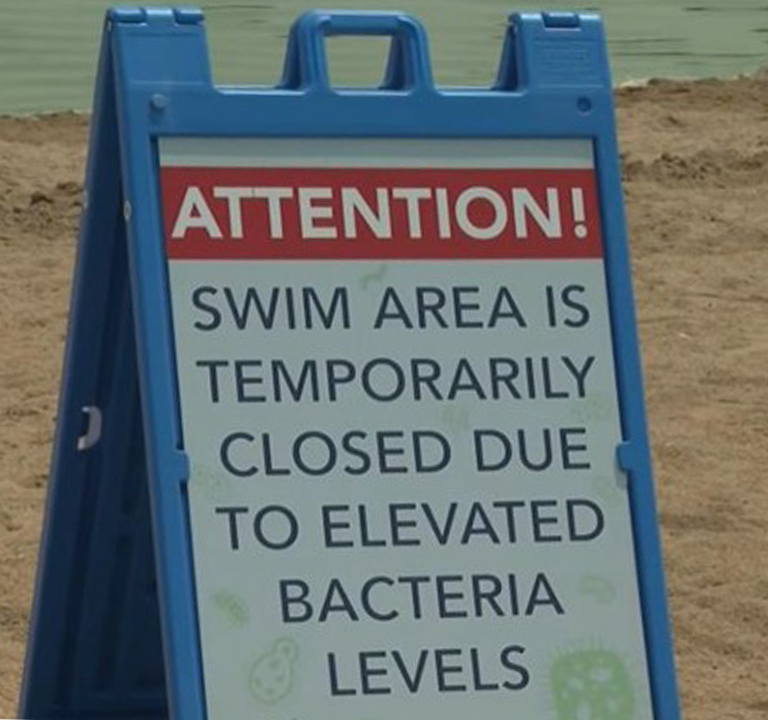
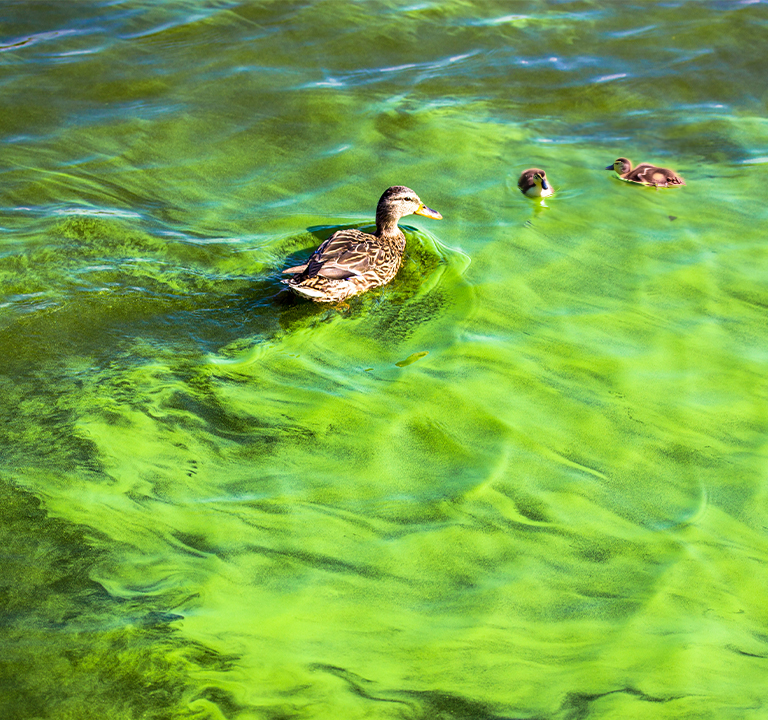
The Head of the Charles Regatta in Cambridge, MA – the largest such regatta in the world, with 100’s of teams and thousands of athletes converging on the Charles River – is being threatened by a toxic algae bloom. The toxic bloom is certainly something the participants will have to be aware of, as the 60th anniversary of the Head of the Charles is scheduled to take place on October 17-19, 2025.

According to the Cambridge Public Health Department (CPHD), a health advisory about an outbreak of toxic cyanobacteria was first issued by the Massachusetts Department of Public Health (DPH) for the lower Charles River in July. With ongoing sampling and water analysis since then, the toxic algae bloom has been tracked farther downstream, with the October 6 update from the CPHD identifying areas as far downstream as the Storrow Lagoon.
A regatta spokeswoman told the Boston Globe that organizers are working closely with state officials to monitor the situation. And according to Boston.com, organizers say the event will go on as planned, as they anticipate the forecasted cooler temperatures will help clear the blooms.
Harmful algae blooms
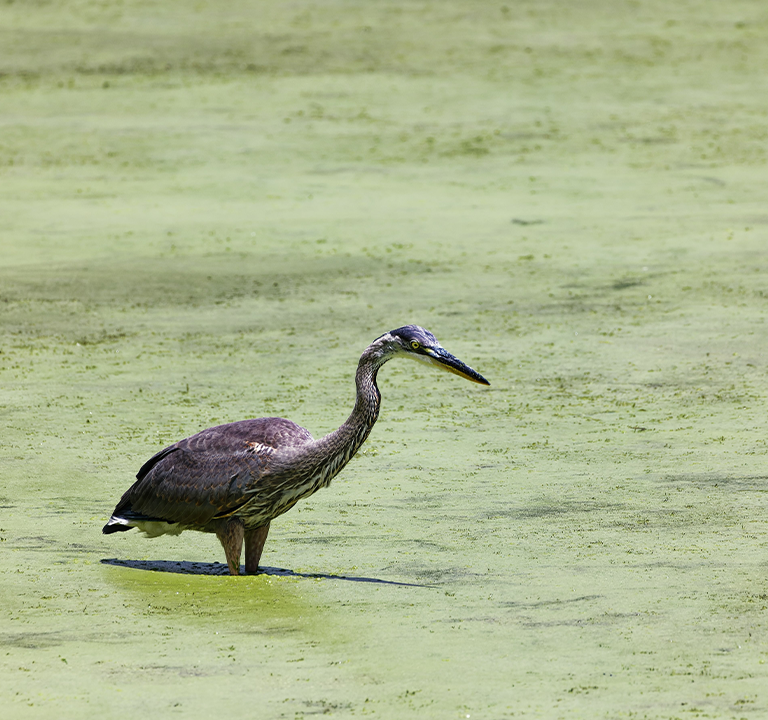
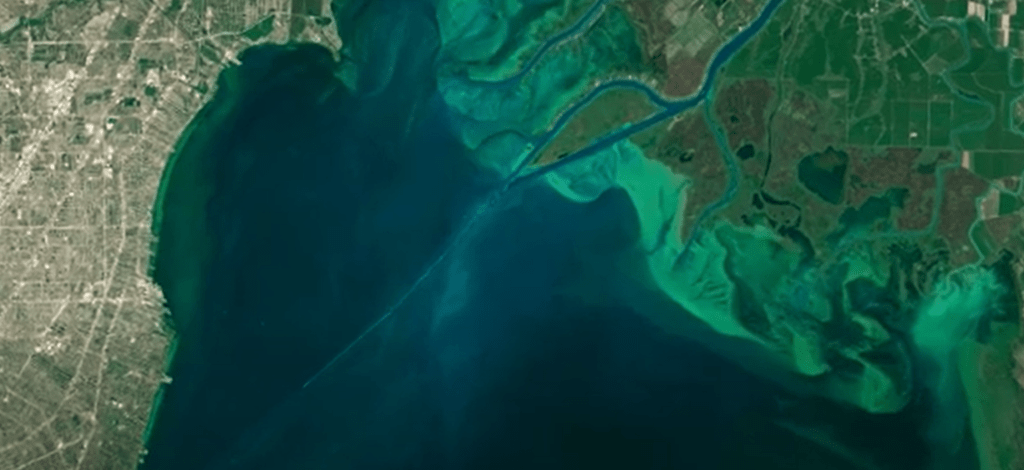
Harmful algae blooms (HABs) occur when too much algae is present and it becomes toxic to the ecosystem within which it exists. HABs in fresh water typically consist of cyanobacteria or commonly referred to as blue-green algae. HABs are becoming more frequent, as reported by the US EPA, and will continue this trend as the impacts of climate change continue to exacerbate the root cause of HABs around the world.
Nutrient pollution?
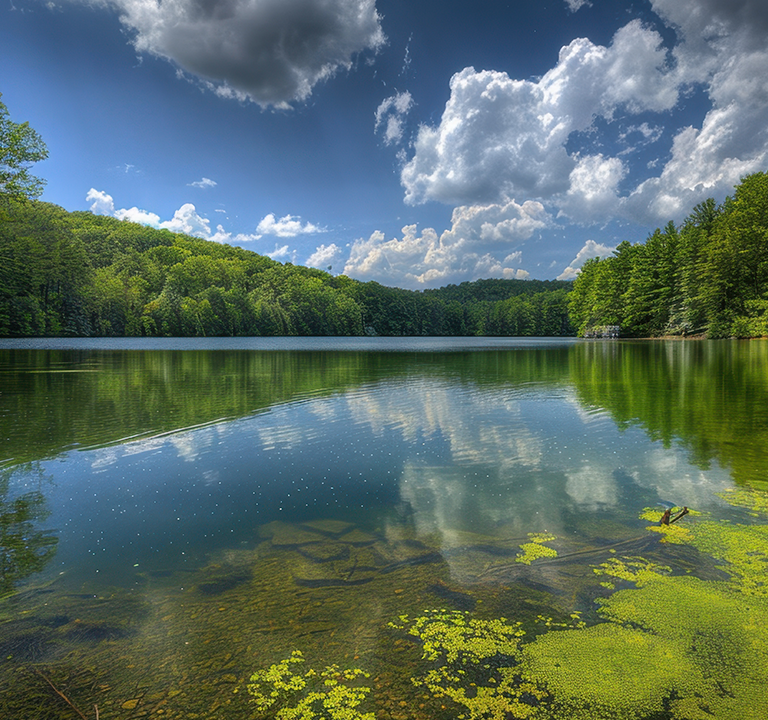
There are a number of factors that help fuel harmful algae blooms, and increased water temperatures are certainly one of the primary culprits. But nutrient pollution is another key problem that has led to the increased occurrence of algae blooms. Naturally occurring nutrients (primarily nitrogen and phosphorus) at normal, balanced levels in the ocean, lakes, rivers and other bodies of water are healthy, as they support the growth of algae and aquatic plants. These plants in turn provide food and habitat for fish, shellfish, and smaller organisms that live in the water. Too much nitrogen and phosphorus create what is referred to as nutrient pollution.

Why is nutrient pollution a problem?
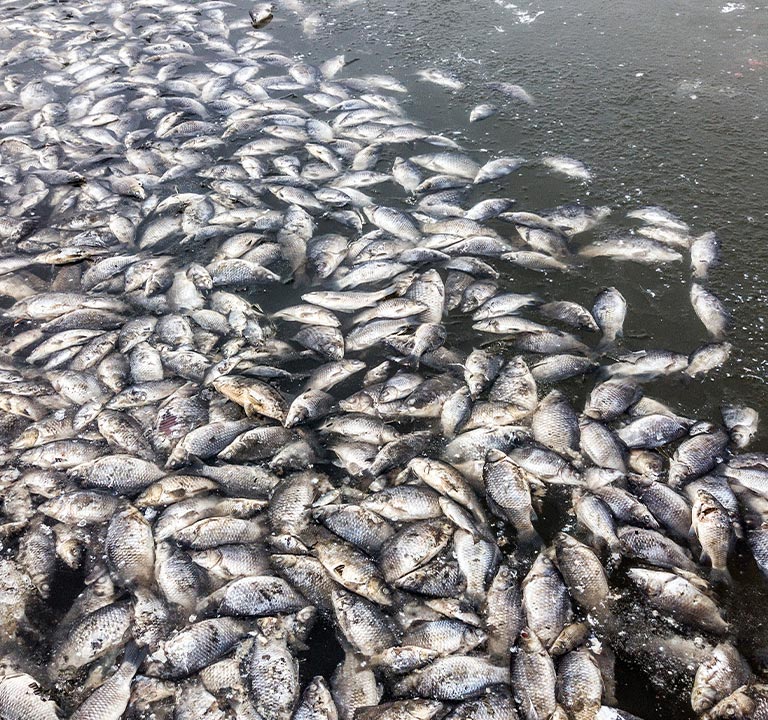
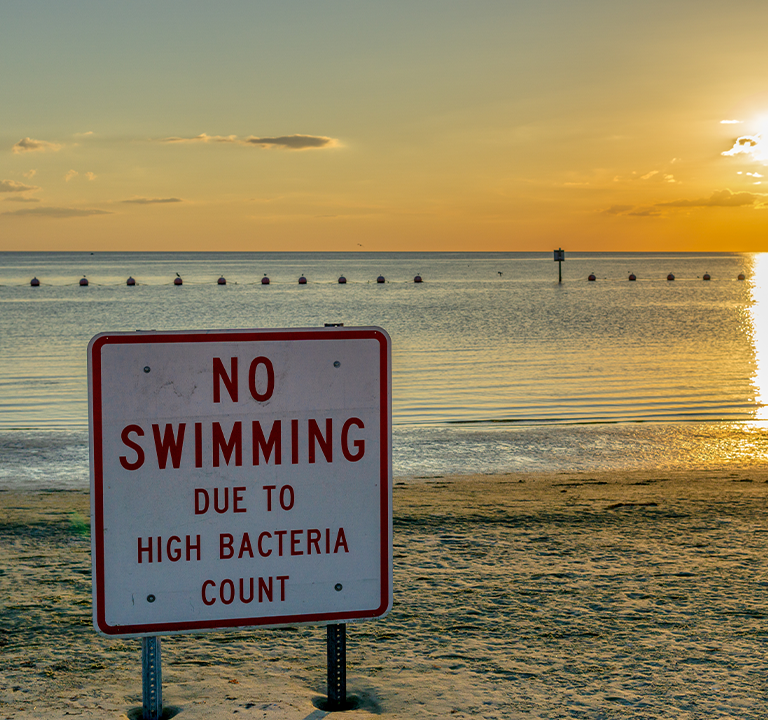
Nutrient pollution, created by excessive levels of nitrogen and phosphorus in bodies of water, typically originates from fertilizer or waste runoff from factory farming, and industrial and municipal wastewater treatment plants. These increased levels of nutrients can deteriorate water quality, as algae can grow rapidly, reducing or even eliminating the oxygen supply and reducing the exposure to sunlight. Nutrient pollution has been exacerbated by climate change, with increased water temperatures (more conducive to algae growth) and bigger storms (heavier rainfall leading to increased erosion leading to a greater influx of nutrients from the runoff). Nutrient pollution leads to habitat damage, loss of aquatic life, drinking water contaminated with toxins and bacteria, and ultimately negative impacts on human health. According to the New York State (U.S.) Department of Health, contact with contaminated surface waters can cause diarrhea, nausea, or vomiting; skin, eye, or throat irritation; and allergic reactions or breathing difficulties.
What can be done about it?
The story isn’t all doom and gloom. Nutrient pollution is preventable, and wastewater treatment plants have been identified as a critical part of the solution for implementing technologies aimed at addressing nutrient pollution. And with continued diligence from municipalities, industries, and consumers alike, the tide can be turned. But HABs will continue to wreak havoc on the ecosystems in our bodies of water, from our biggest oceans to our smallest rivers and streams, unless we take a serious look at the root cause of HABs and begin to make changes, as if our world depends on it.