About Nutrient Pollution
Winter runoff


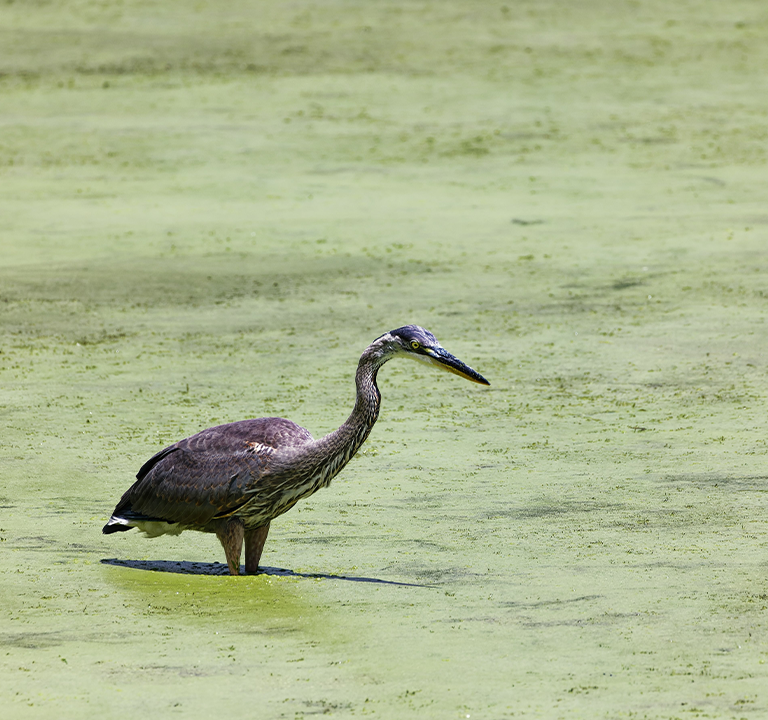
When we think of algae blooms, what comes to mind is hot summer days and bright green algae skimming the surface of a nearby pond or lake. What we don’t recognize during those dog days of summer – when the higher temperatures exacerbate algae blooms – is that it was the events of six months prior to those hot summer days that contributed to the issue.
While we often focus on spring and summer agricultural runoff, winter conditions present a unique runoff challenge. Frozen ground in the winter months prevents water from soaking in, meaning that snowmelt and rain events carry accumulated nutrients directly off the land into nearby waterways. Once in a stream, river, or lake, they fuel the excessive growth of algae and aquatic plants during the following summer months.

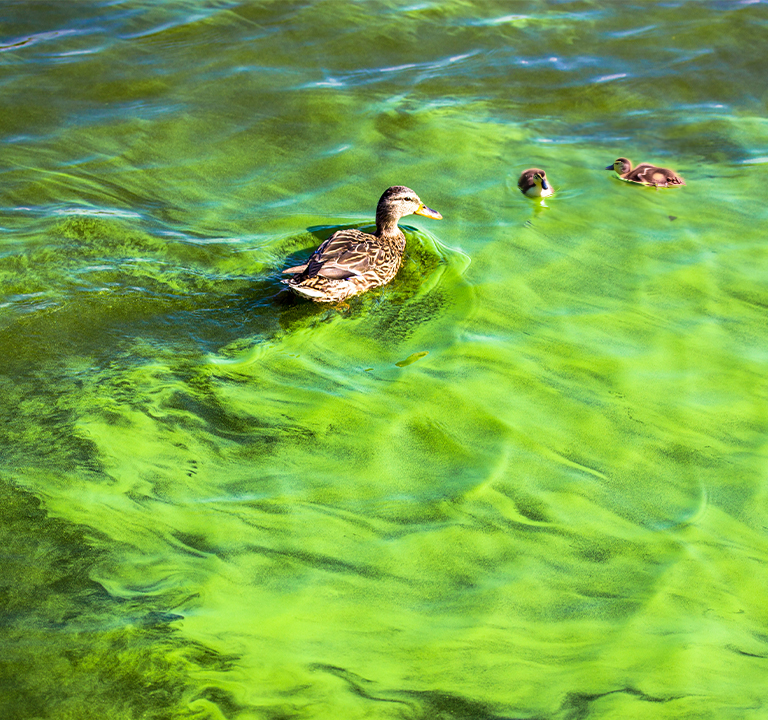
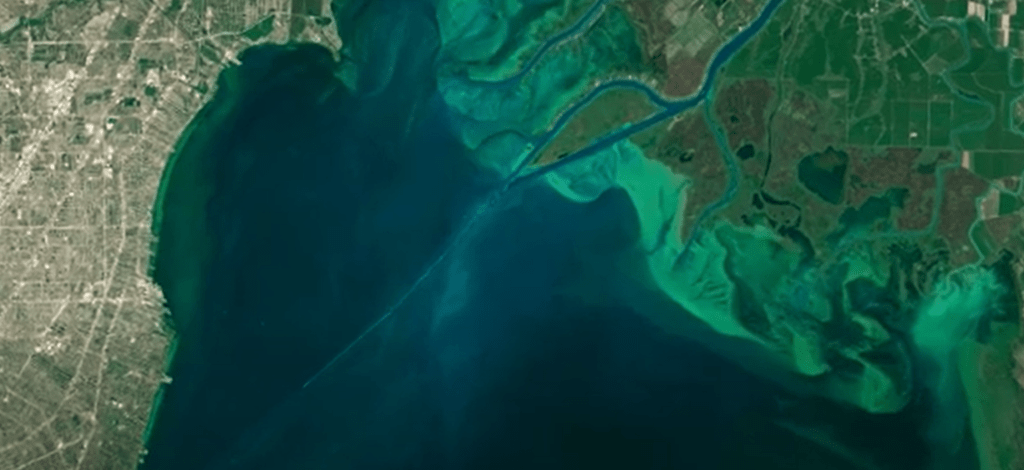
Harmful algae blooms
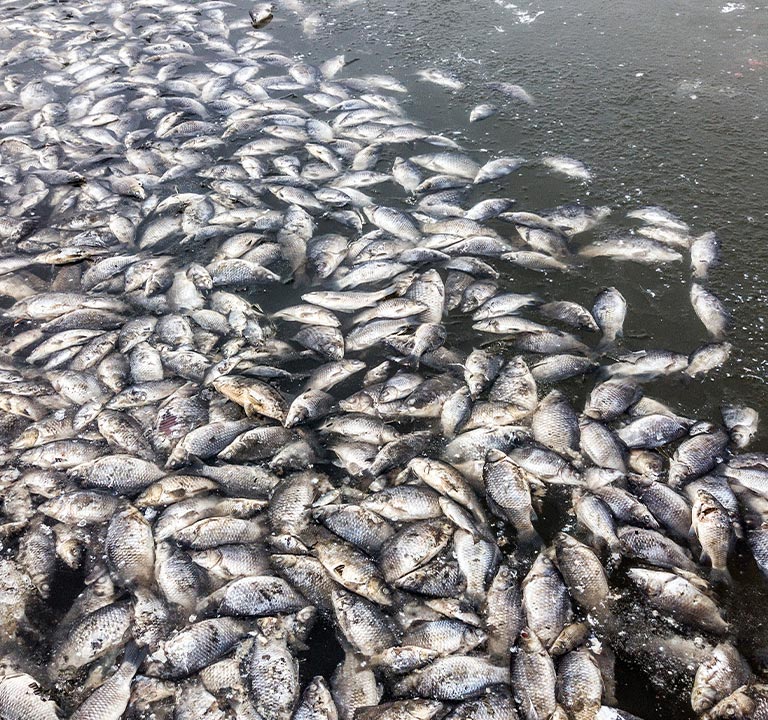
Harmful algae blooms (HABs) upend the ecological balance in local waterways, as they kill aquatic plants and sicken animals, and are harmful to pets and humans alike. They occur when too much algae is present and it becomes toxic to the ecosystem within which it exists. HABs are becoming more frequent, as reported by the US EPA, and will continue this trend as the impacts of climate change continue to exacerbate the root cause of HABs around the world. As global temperatures heat up – and winter rain events become more common as a result – winter runoff will feed algae blooms, which will continue to be the new normal around North America and the globe.
Nutrient pollution?
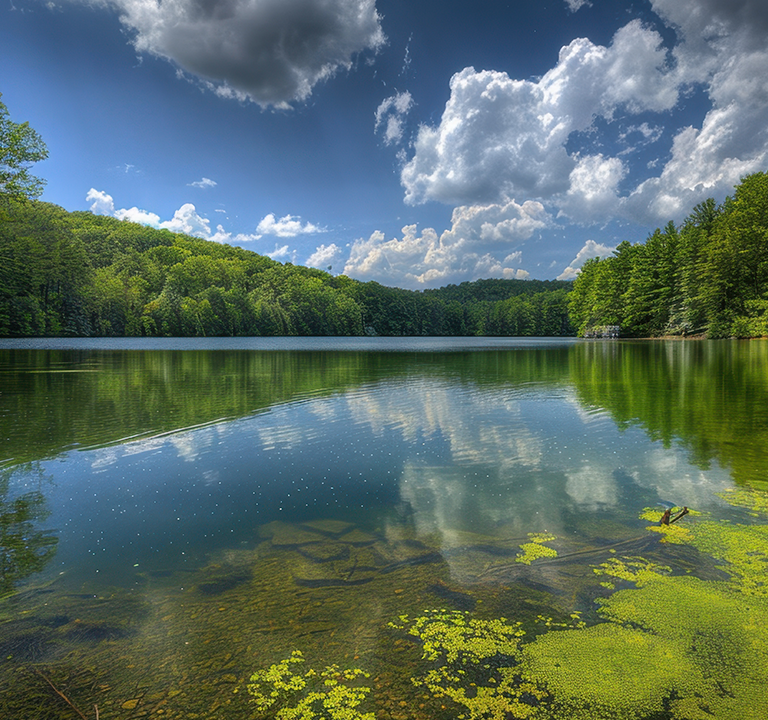
There are a number of factors that help fuel harmful algae blooms, and increased water temperatures are certainly one of the primary culprits. But nutrient pollution is another key problem that has led to the increased occurrence of algae blooms. Naturally occurring nutrients (primarily nitrogen and phosphorus) at normal, balanced levels in the ocean, lakes, rivers and other bodies of water are healthy, as they support the growth of algae and aquatic plants. These plants in turn provide food and habitat for fish, shellfish, and smaller organisms that live in the water. Too much nitrogen and phosphorus create what is referred to as nutrient pollution.
Why is nutrient pollution a problem?
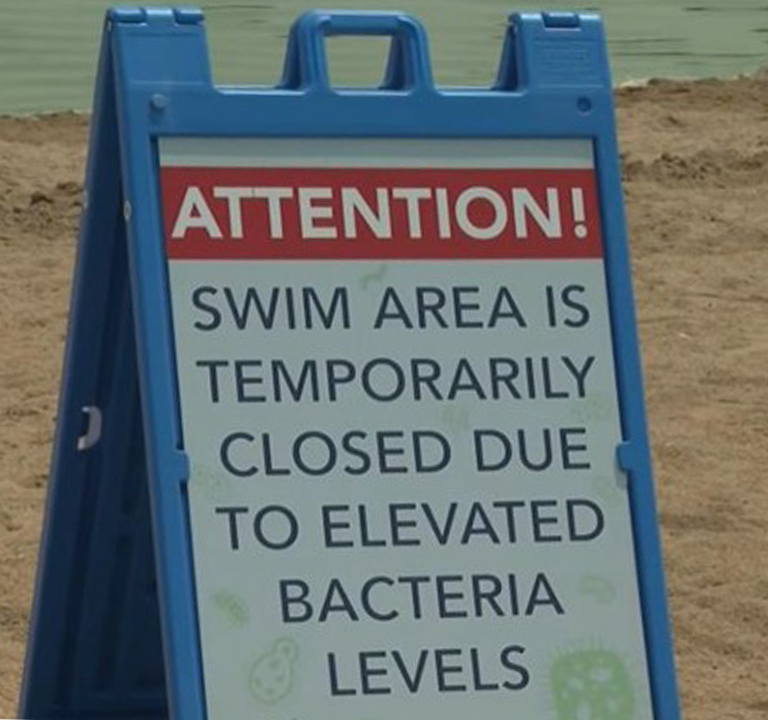
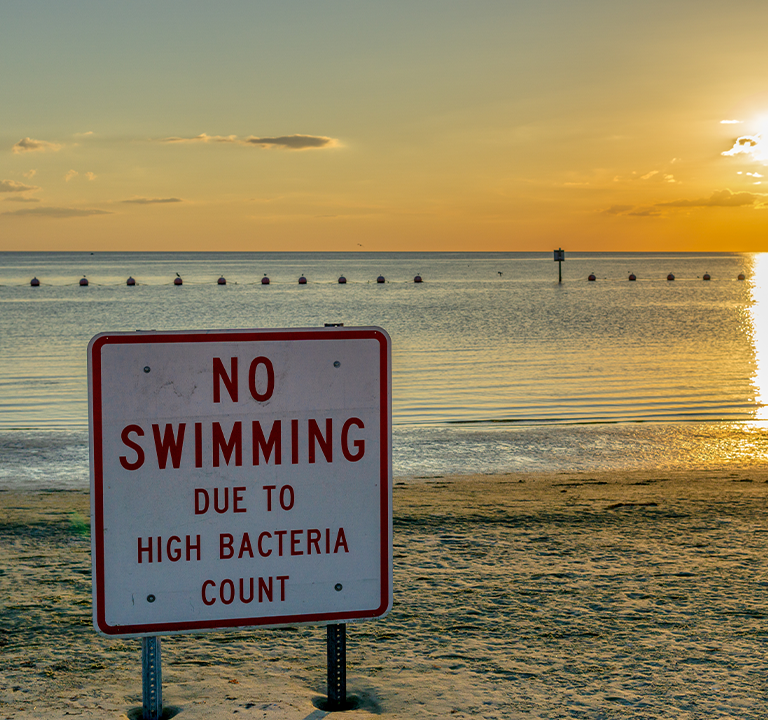
Nutrient pollution, created by excessive levels of nitrogen and phosphorus in bodies of water, typically originates from fertilizer or waste runoff from factory farming, and industrial and municipal wastewater treatment plants. These increased levels of nutrients can deteriorate water quality, as algae can grow rapidly, reducing or even eliminating the oxygen supply and reducing the exposure to sunlight. Nutrient pollution has been exacerbated by climate change, with increased water temperatures (more conducive to algae growth) and bigger storms (heavier rainfall leading to increased erosion leading to a greater influx of nutrients from the runoff). Nutrient pollution leads to habitat damage, loss of aquatic life, drinking water contaminated with toxins and bacteria, and ultimately negative impacts on human health. According to the New York State (U.S.) Department of Health, contact with contaminated surface waters can cause diarrhea, nausea, or vomiting; skin, eye, or throat irritation; and allergic reactions or breathing difficulties.
What can be done about it? The story isn’t all doom and gloom. Nutrient pollution is preventable, and wastewater treatment plants have been identified as a critical part of the solution for implementing technologies aimed at addressing nutrient pollution. Addressing winter runoff is also vital for protecting water quality and maintaining the health of our aquatic ecosystems year-round. Effective management practices are crucial, and strategies such as cover crops, which absorb nutrients and stabilize soil over the winter, riparian buffers, which are vegetated areas along waterways that filter runoff, and careful timing and application of fertilizers can all help reduce the impact. And with continued diligence from municipalities, industries, and consumers alike, the tide can be turned. But HABs will continue to wreak havoc on the ecosystems in our bodies of water, from our biggest oceans to our smallest rivers and streams, unless we take a serious look at the root cause of HABs and begin to make changes, as if our world depends on it.