About Nutrient Pollution
The Florida Everglades Facing Increased Nutrient Pollution Issues
Tenuous balance between progress and preservation of the delicate ecosystem


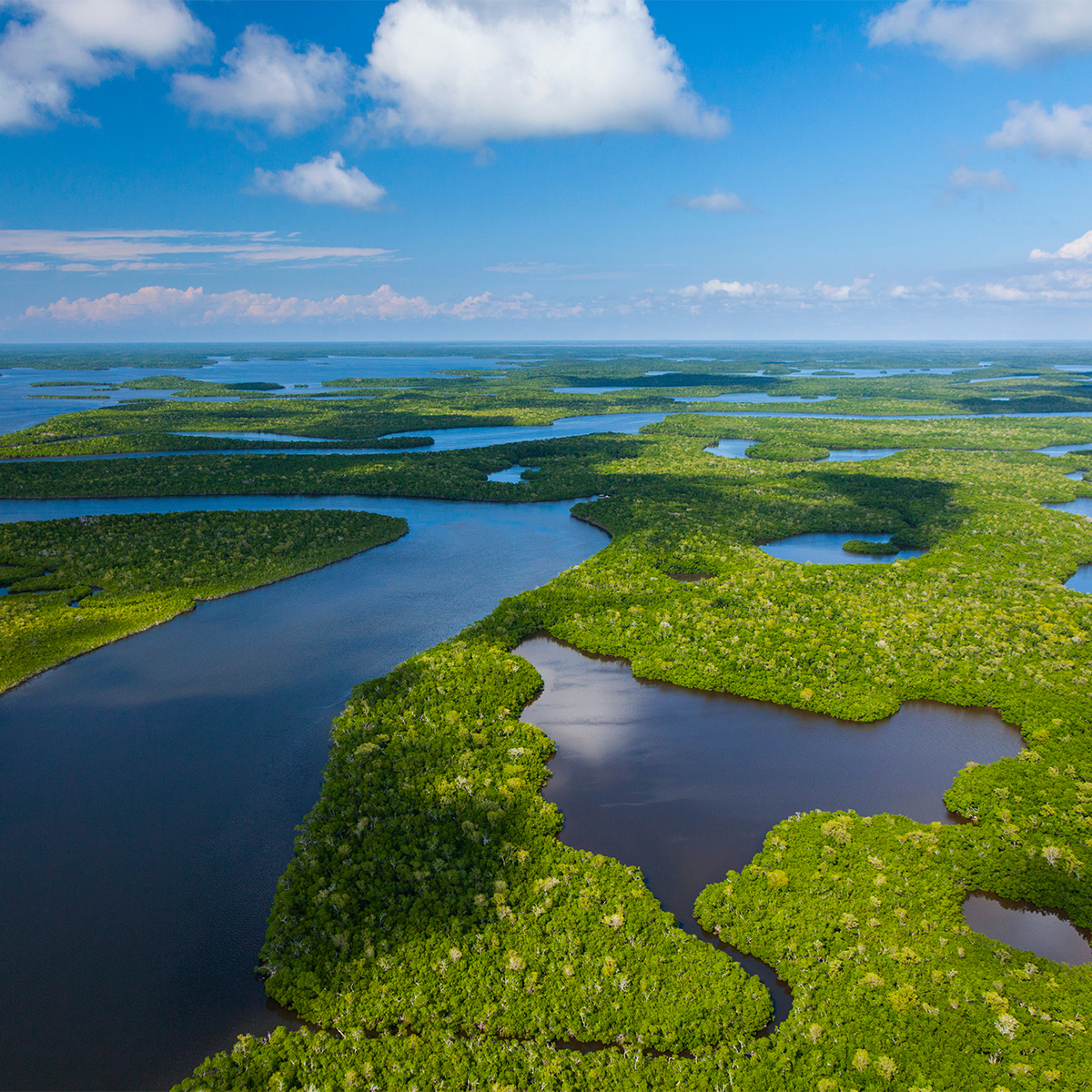
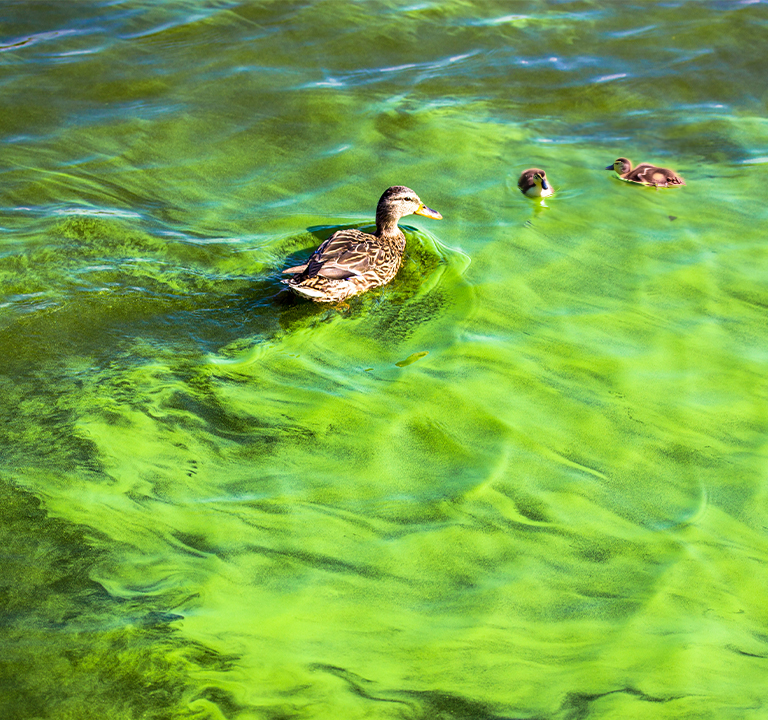
As the summer months rapidly approach, so do the prospects of the return of algae blooms in our watersheds. From salmon streams in the pacific northwest, recreational lakes in the Ozarks, or red tide outbreaks in the outer banks of North Carolina, algae blooms have unfortunately become synonymous with summer. And nowhere are they more concerning than in one of the US national parks – the Florida Everglades.
Designated as a national park in 1947 and covering more than 1.5million acres of wetlands, the Florida Everglades are one of the most important ecosystems on the east coast. And they’ve been impacted by algae blooms for years. Decades of unfettered agriculture – primarily sugarcane, vegetable, and sod farms within the Everglades Agricultural Area (EAA) – have been the primary culprit. As much as the large-scale farming hasn’t taken place within the protected area of the national park, agricultural runoff from these boundary areas have led to increased nutrient pollution issues for the Everglades. It’s a powerful reminder that ecosystems in our world are interconnected, and potential disruptions to the ecosystem don’t stop at lines drawn on a map.

Nutrient pollution?
Home to numerous endangered species, including the Florida panther, American crocodile, and the wood stork, the US. EPA has found that degraded water quality in the Everglades has been caused by increased phosphorus from agricultural and stormwater runoff – not atypical for nutrient pollution issues around the world.
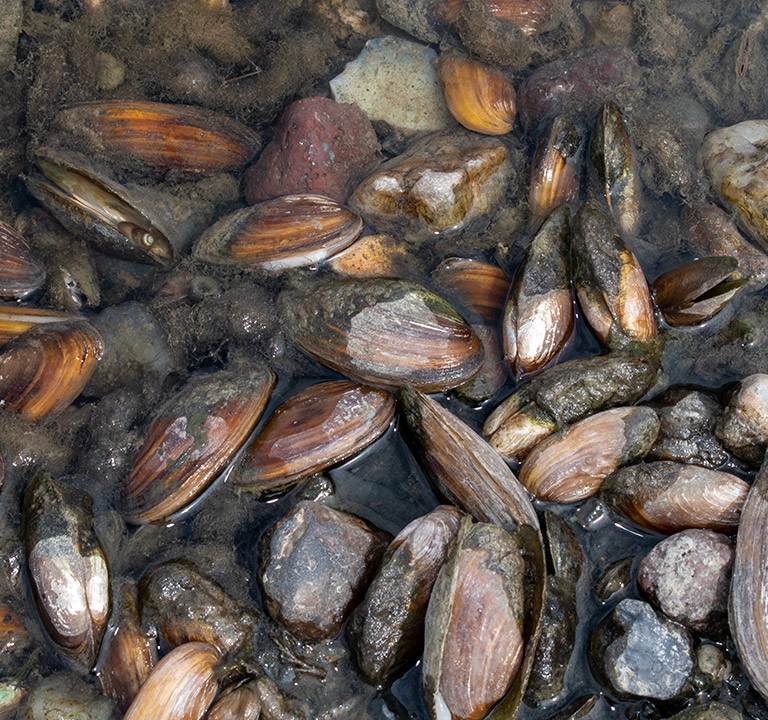
Naturally occurring nutrients (primarily phosphorus and nitrogen) at normal, balanced levels in oceans, lakes, and rivers are healthy, as they support the growth of algae and aquatic plants. These plants in turn provide food and habitat for fish, shellfish, and smaller organisms that live in the water. Too much nitrogen and phosphorus create what is referred to as nutrient pollution.
Why is nutrient pollution a problem?
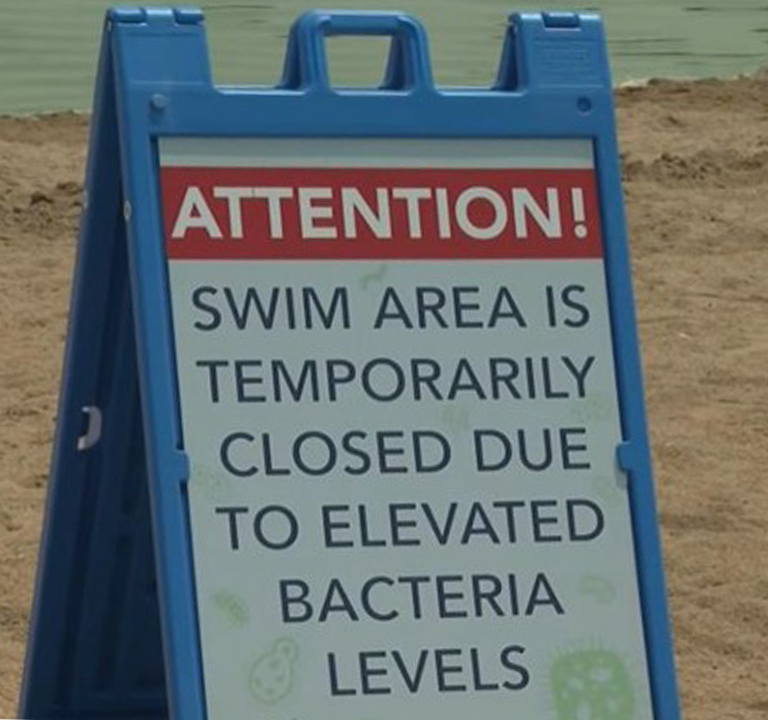
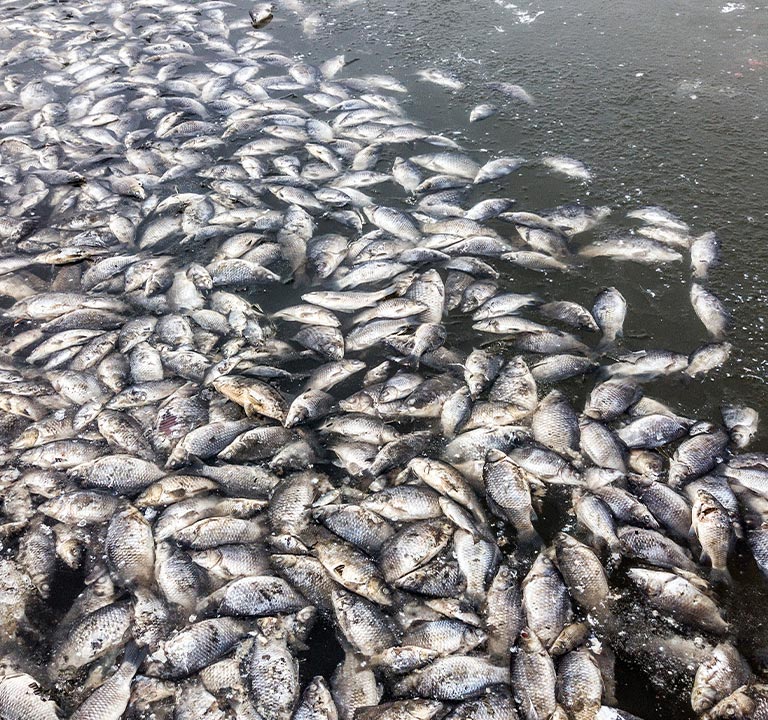
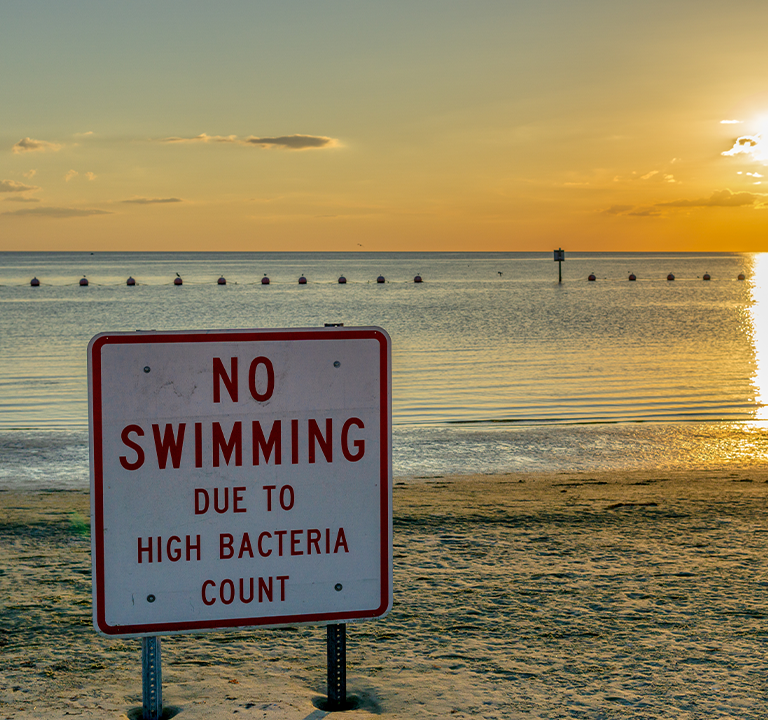
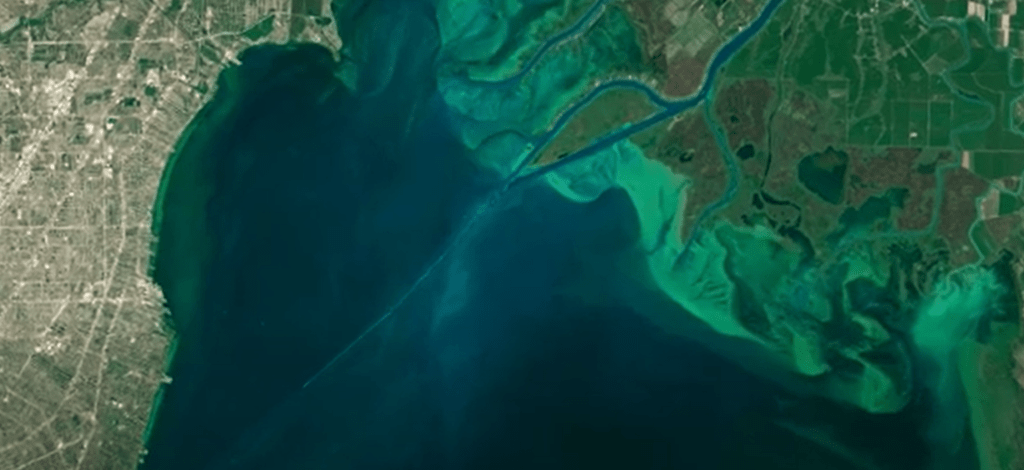
Nutrient pollution, created by excessive levels of nitrogen and phosphorus in bodies of water, typically originates from fertilizer or waste runoff from factory farming, and industrial and municipal wastewater treatment plants. These increased levels of nutrients can deteriorate water quality, as algae can grow rapidly, reducing or even eliminating the oxygen supply (causing dead zones) and reducing the exposure to sunlight. Nutrient pollution has been exacerbated by climate change, with increased water temperatures (more conducive to algae growth) and bigger storms (heavier rainfall leading to increased erosion leading to a greater influx of nutrients from the runoff). Nutrient pollution leads to habitat damage, loss of aquatic life, drinking water contaminated with toxins and bacteria, and ultimately negative impacts on human health.
What can be done about it?
The story isn’t all doom and gloom. Efforts by the EPA and other organizations in the EAA have made improvements, as nutrient pollution is preventable by reducing phosphorus and nitrogen levels at the source. For municipal and industrial applications, Axius Water provides tools to minimize nutrient pollution, such as the Cyclor Turbo by Nexom, an Axius Water company, which has proven to be an effective solution to help maximize biological treatment to address nutrient pollution. And with continued diligence from municipalities, industries, and consumers alike, the tide can be turned. But harmful algae blooms (HABs) will continue to wreak havoc on the ecosystems in the Everglades and in our bodies of water, from our biggest oceans to our smallest rivers and streams, unless we take a serious look at the root cause of HABs and begin to make changes – as if our world depends on it.