About Nutrient Pollution
Long Island Sound Breathes a Breath of Fresh Oxygen
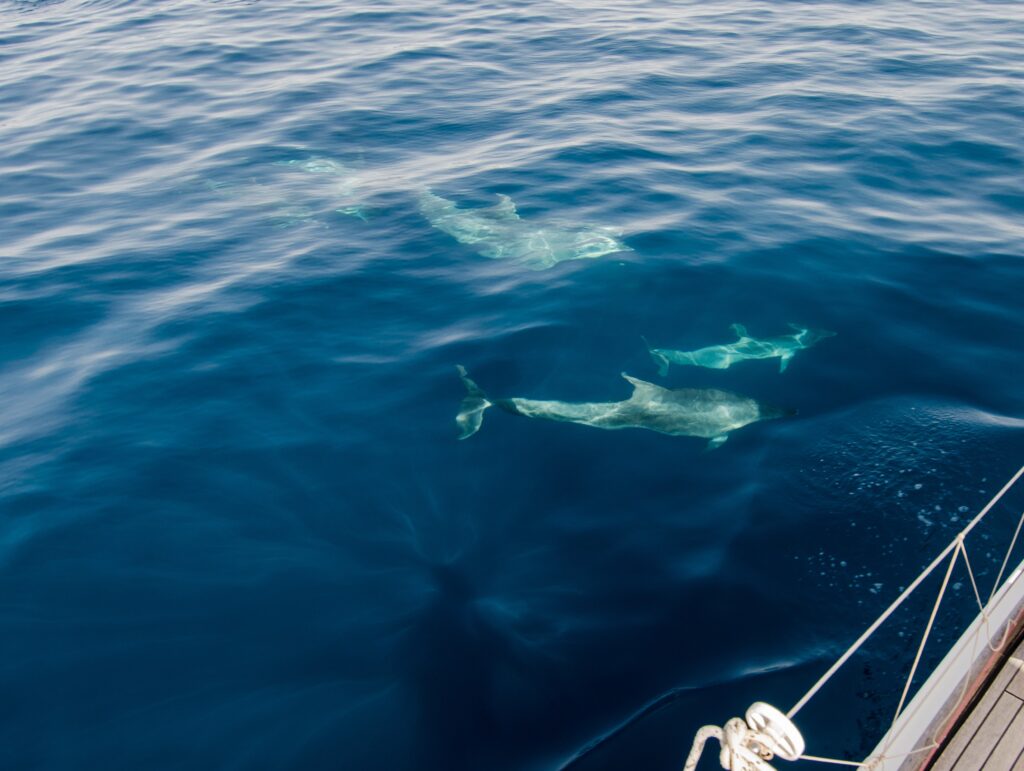
Reduction in nutrient pollution leads to dozens of dolphins and decreased dead zones


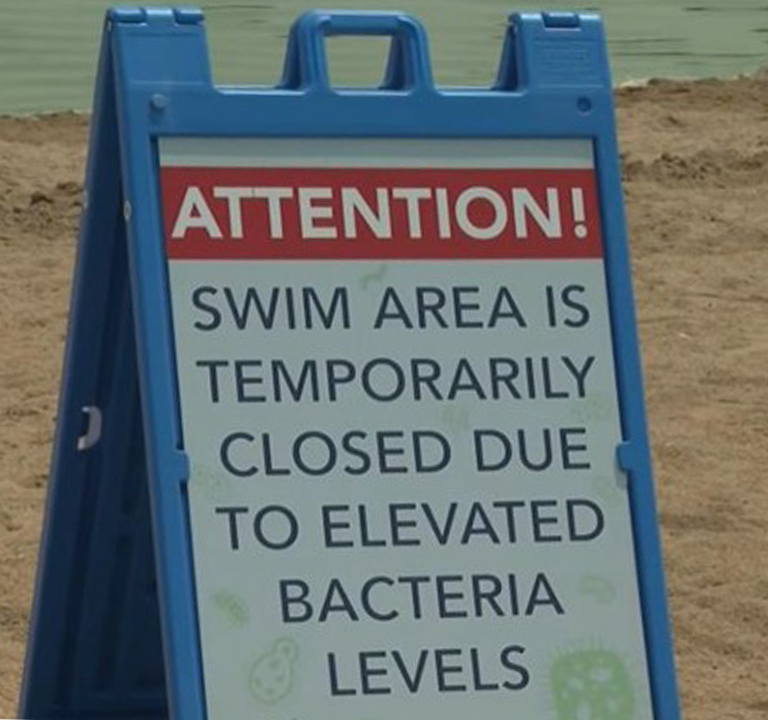
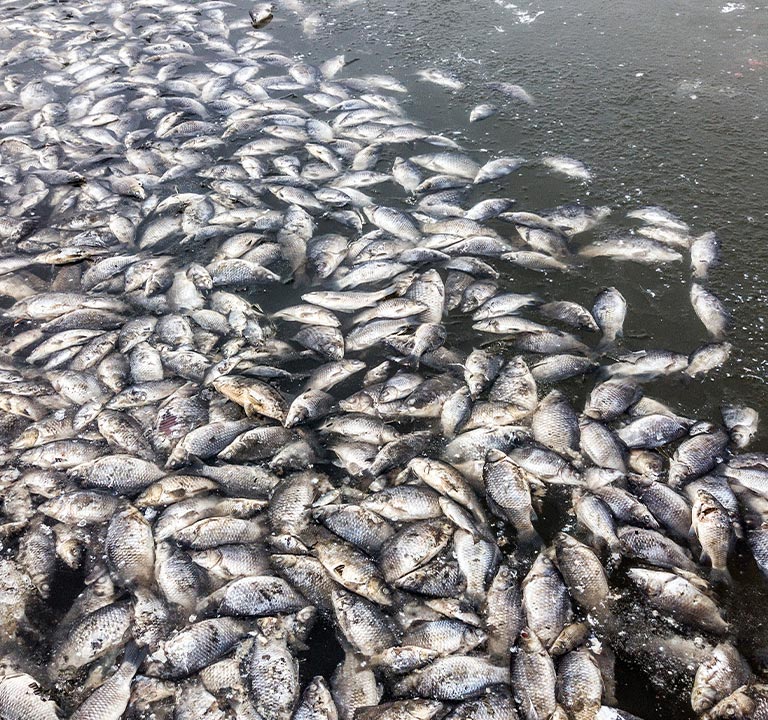
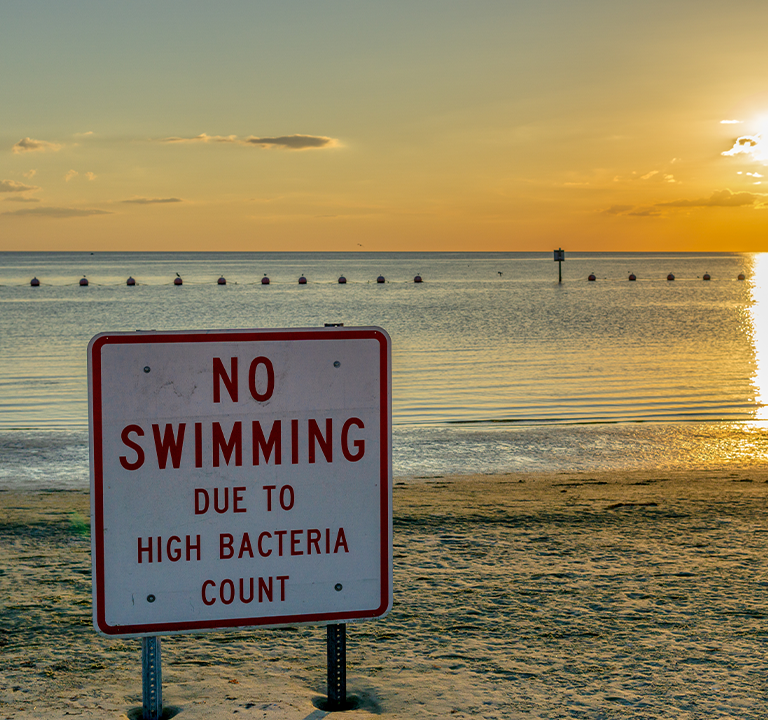
Long Island Sound, the narrow sliver of tidal waters sandwiched in-between the north shore of Long Island and the southern coast of Connecticut, has had its struggles with pollution. At roughly 100 miles east to west and 20 miles at its widest point, the waterway has been plagued with dead zones, fish kills, and polluted beaches for decades. Situated due east of New York city – one of the most populated regions in the world – it’s no wonder Long Island Sound has had this struggle. But the news isn’t all bad.
Working together
The New York City Department of Environmental Protection (DEP) operates 14 wastewater treatment facilities, collectively treating 1.3 billion gallons of water every day. Given a concerted effort over the past 20 years by environmental groups and local and state governments, improvements made to regional wastewater treatment plants have improved the effluent quality flowing into rivers in New York and Connecticut – which eventually flow into Long Island Sound.
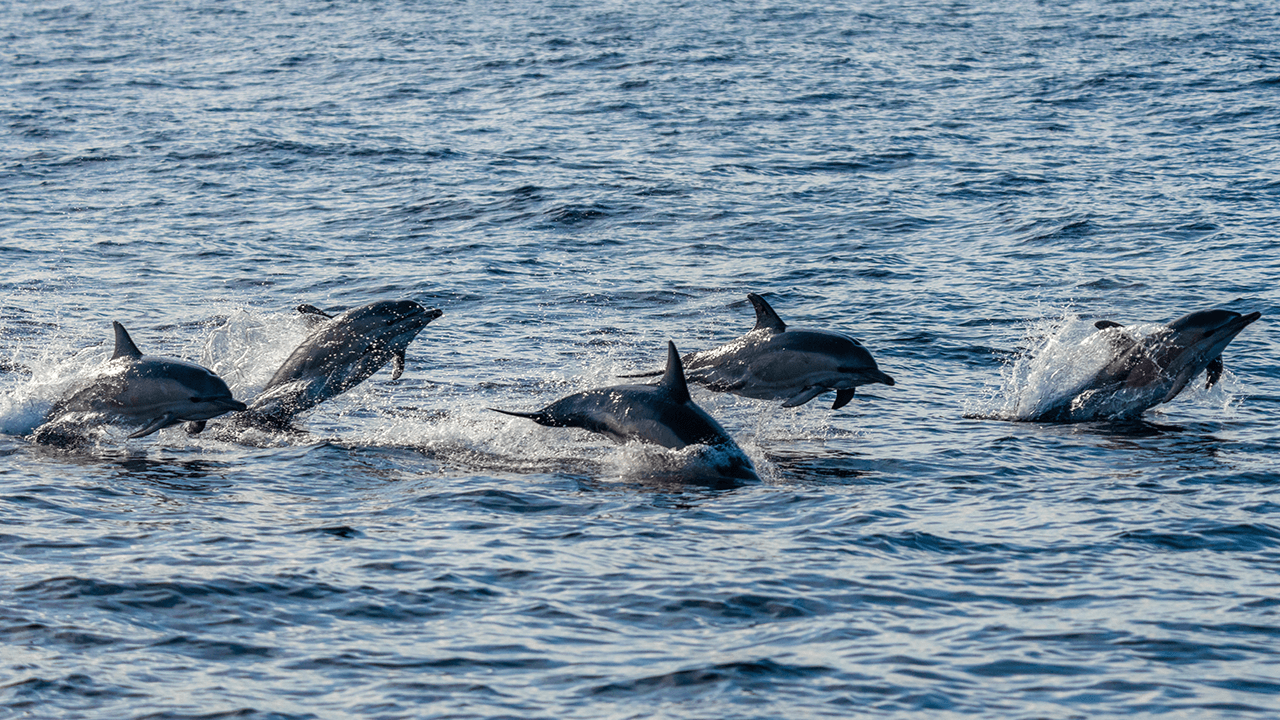
Of the 14 plants operated by the New York DEP, six of them utilize MicroC® from EOSi, an Axius Water company, as a non-hazardous carbon source. Four of those plants discharge into Long Island Sound, and it’s these types of efforts that are making an impact and providing some encouraging results. With a new report recently released by the Long Island Sound Partnership, hypoxia (or low oxygen “dead zones”) levels in the Sound have dropped to their lowest levels in 40 years. And last summer, pods of dolphins were spotted along the shores of Milford, Stamford, and Greenwich, CT, for the first time in years.
According to the US Environmental Protection Agency (EPA), “Dead zones are areas of water bodies where aquatic life cannot survive because of low oxygen levels. Dead zones are generally caused by significant nutrient pollution, and are primarily a problem for bays, lakes and coastal waters since they receive excess nutrients from upstream sources.”
Nutrient pollution?
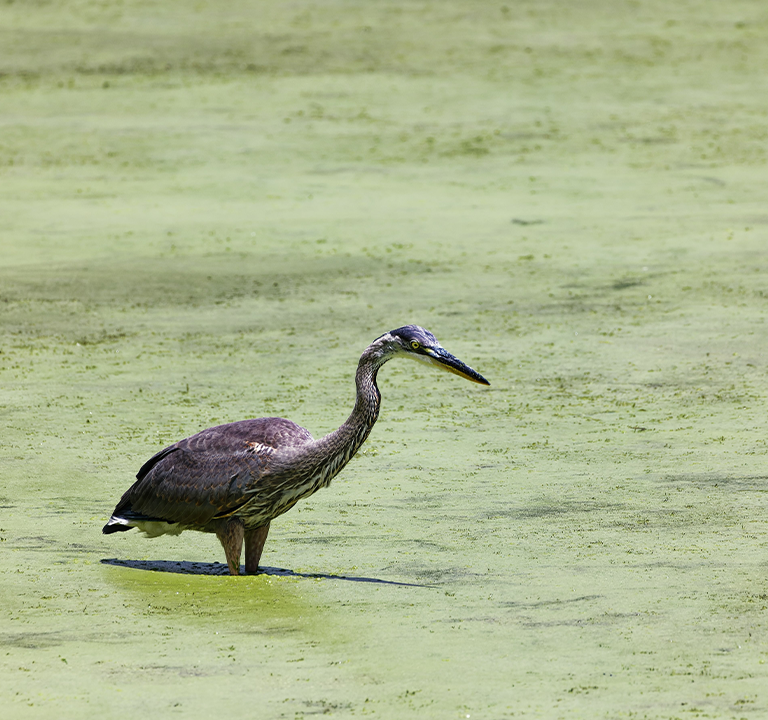
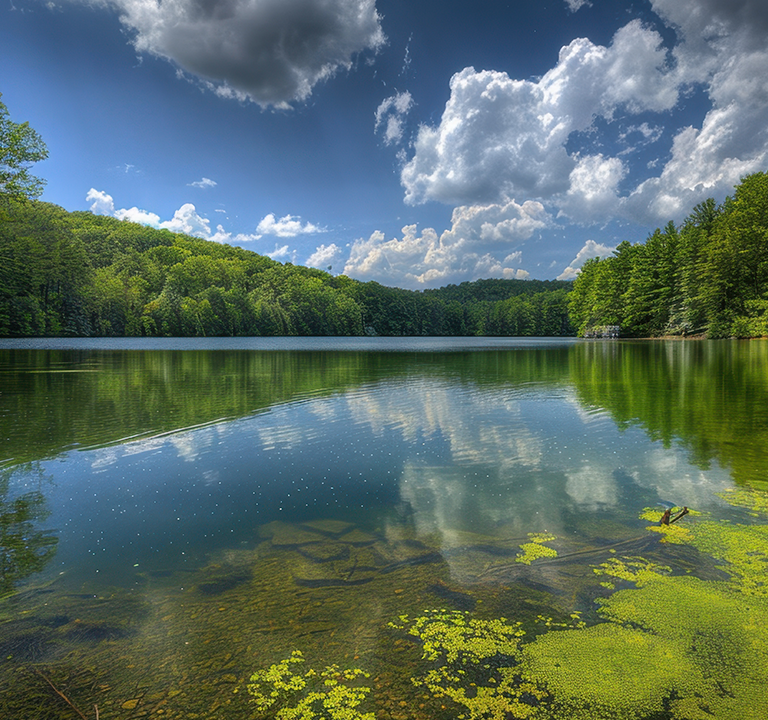
There are a number of factors that help fuel harmful algae blooms, but nutrient pollution is the primary culprit. Naturally occurring nutrients (primarily nitrogen and phosphorus) at normal, balanced levels in oceans, lakes, rivers and other bodies of water are healthy, as they support the growth of algae and aquatic plants. These plants in turn provide food and habitat for fish, shellfish, and smaller organisms that live in the water. Too much nitrogen and phosphorus create what is referred to as nutrient pollution.
Why is nutrient pollution a problem?
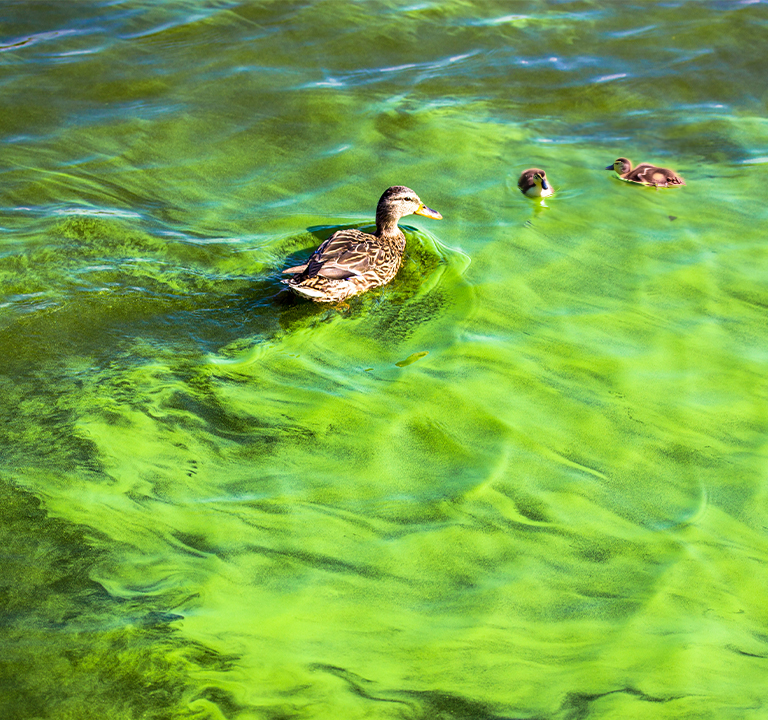
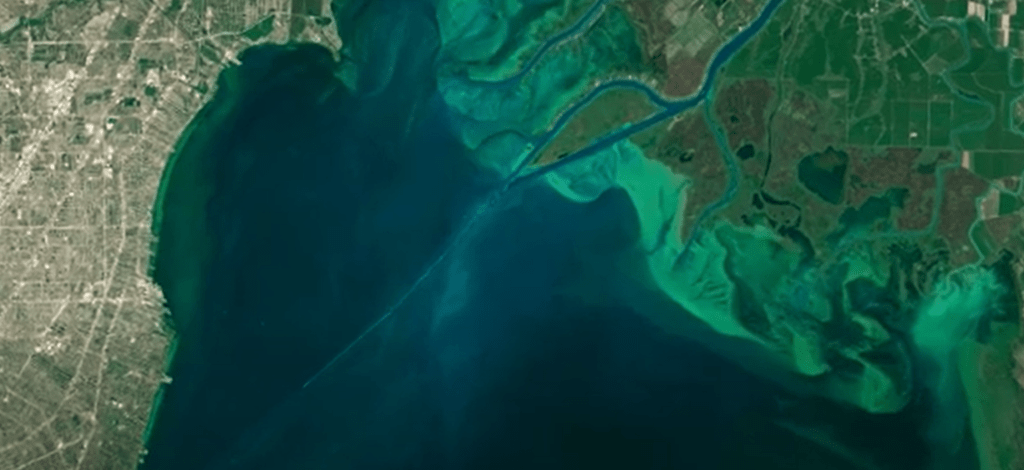
Nutrient pollution, created by excessive levels of nitrogen and phosphorus in bodies of water, typically originates from fertilizer or waste runoff from factory farming, and industrial and municipal wastewater treatment plants. These increased levels of nutrients can deteriorate water quality, as algae can grow rapidly, reducing or even eliminating the oxygen supply (causing dead zones) and reducing the exposure to sunlight. Nutrient pollution has been exacerbated by climate change, with increased water temperatures (more conducive to algae growth) and bigger storms (heavier rainfall leading to increased erosion leading to a greater influx of nutrients from the runoff). Nutrient pollution leads to habitat damage, loss of aquatic life, drinking water contaminated with toxins and bacteria, and ultimately negative impacts on human health. According to the New York State (U.S.) Department of Health, contact with contaminated surface waters can cause diarrhea, nausea, or vomiting; skin, eye, or throat irritation; and allergic reactions or breathing difficulties.
What can be done about it?
The story isn’t all doom and gloom. Nutrient pollution is preventable, and wastewater treatment plants – as we’ve seen with Long Island Sound – have been identified as a critical part of the solution for implementing technologies aimed at addressing nutrient pollution. And with continued diligence from municipalities, industries, and consumers alike, the tide can be turned. But HABs will continue to wreak havoc on the ecosystems in our bodies of water, from our biggest oceans to our smallest rivers and streams, unless we take a serious look at the root cause of HABs and begin to make changes, as if our world depends on it.