Success Stories
Retrofit of Wastewater Plant from RBC to MBBR Addresses Treatment Needs
Successful upgrade of existing infrastructure, in spite of the cold climate. By Tanner Devlin and Rhianna Holter-Ferguson


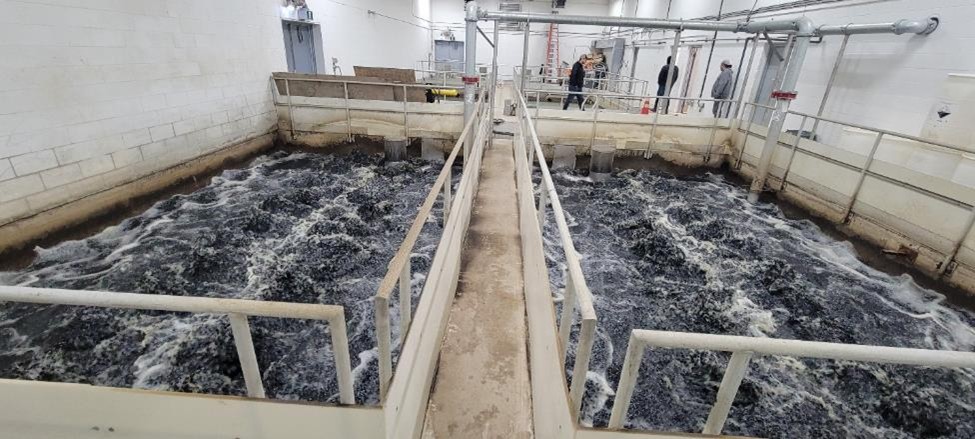
The provision of reliable, effective sanitation infrastructure is a cornerstone of public health and environmental stewardship. For remote and Indigenous communities across the cold climates of Canada, these challenges are often compounded by severe environmental conditions, logistical complexities and sustainable solutions. The recent upgrade to the wastewater treatment plant (WWTP) serving the Wabaseemoong Independent Nations in northwestern Ontario stands as a testament to innovative engineering and collaborative problem-solving.
Critical Infrastructure The Wabaseemoong Independent Nations, a community with a population of approximately 1200, faced a pressing environmental and health crisis in late 2021. The two parallel rotating biological contractor (RBC) units, which formed the core of their wastewater treatment process and had been in operation since 2001, experienced catastrophic failures with the shafts and bearings broken down, rendering the plant non-compliant and inoperable. The community urgently needed a solution to restore vital sanitary sewer services.
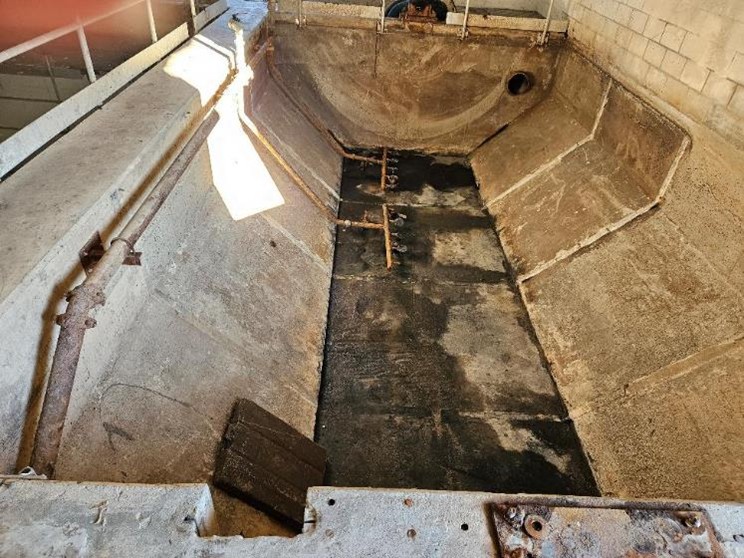
Replacing the failed equipment with a like-for-like RBC system presented an insurmountable logistical barrier. The building where the reactors were housed had been constructed around them, after initial installation, which meant installing new RBC internals would be prohibitively expensive, requiring the partial demolition of the existing building. Given this limitation, the solution would need to utilize the existing tank structures while also possessing robust cold-climate treatment capabilities. The operational minimum temperature for a mechanical plant in this region is approximately 5 degrees Celsius, a demanding standard that traditional systems often struggle to meet without higher temperatures, typically 8 degrees Celsius or higher.
The urgency of the situation demanded a rapid response. The community required not just a technical fix, but one that could be implemented quickly and efficiently, minimizing the disruption to daily life and ensuring environmental compliance as soon as possible.
Teamwork
In search of an innovative solution, the client engaged with JR Cousin Consultants Ltd. (JRCC), out of Winnipeg, who in turn connected with Nexom, an Axius Water company, who specialize in advanced wastewater treatment technologies, particularly in arctic conditions. Given the complexity of the cold-weather treatment solution, the team decided to implement the Nexom BioPorts™ moving bed biofilm reactor (MBBR), for BOD and ammonia treatment in the existing RBC tanks. The MBBR system offered a unique advantage: it utilizes free-floating media, which could be easily installed into the existing tanks without the need for major structural modifications to the building. This immediately resolved the primary logistical challenge of replacing the existing RBC equipment.
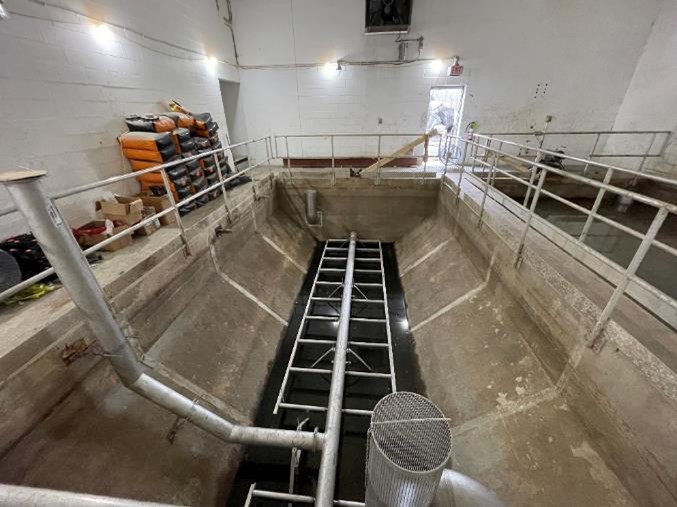
However, the existing tanks presented a new set of engineering challenges. They were not ideally configured for typical conventional MBBR systems. Standard MBBR designs often rely on water depths of up to 10-12 feet, to ensure uniform distribution of aeration equipment and proper mixing of the floating media. The Wabaseemoong tanks featured typical RBC construction – sloped sidewalls and a shallow water depth of only about four feet. This configuration threatened the effectiveness of the aeration process crucial for the biological treatment to occur. JRCC and Nexom engineers worked diligently with the client to customize the BioPorts system to fit the unique geometry of the existing infrastructure.
Twelve EDI CoarsAir™ MaxAir stainless steel diffusers were installed in each tank of the MBBR system, for a total of 24 diffusers, providing energy efficient aeration that would not require membrane replacement. The innovative design of the BioPorts system, tailored for the shallow tanks, proved to be effective at dispersing the media and transferring sufficient oxygen despite the constraints.
The economic benefits of the MBBR approach were also significant. The retrofit solution was estimated to be approximately 30% cheaper than a typical RBC replacement, offering substantial cost savings for the community while providing a modern, efficient upgrade. Various mechanical and electrical upgrades and repairs were also made within the plant as part of the overall project.
Implementation and Success: A Rapid Turnaround
The collaboration between the Wabaseemoong Independent Nations community, JRCC, Nexom, and the contractor (Penn-co Construction) resulted in a remarkably tight and successful execution timeline. The contract was awarded in early 2023, and the new MBBR treatment equipment was commissioned in November 2023. This rapid turnaround, which typically takes a couple of years for a project of this nature, underscores the efficiency of the chosen solution and the dedication of all parties involved.
The performance of the upgraded treatment equipment has been exemplary since it began full operation in late 2023. The system consistently exceeds the stringent effluent requirements set forth by regulatory bodies, demonstrating the efficacy of the customized MBBR solution even in the non-ideal tank conditions. The new treatment system is user friendly and requires minimal maintenance, with operators completing regular servicing to the blowers with the assistance of Nexom technicians.
The design parameters for the plant included a biological process flow rate of 876 cubic meters per day (m³/d) at 5˚ C, with a summer or high temperature (with less concentrated influent) flow rate of 1,442 m³/d. The required effluent quality standards were rigorous: Total Suspended Solids (TSS) below 25 mg/L, Biochemical Oxygen Demand (BOD) below 25 mg/L, and critical ammonia-nitrogen (NH3-N) levels below 1 mg/L in the summer and 5 mg/L in the winter. The plant has reliably met and surpassed these targets, even at the low temperatures prevalent in northwestern Ontario.
A Blueprint for Future Infrastructure
The wastewater treatment plant upgrade at Wabaseemoong Independent Nations represents more than just a successful engineering project; it is a practical blueprint for sustainable infrastructure development in challenging environments. The successful retrofit of a failed RBC system with a cutting-edge MBBR system highlights how modern technology can overcome significant infrastructure hurdles, even under urgent deadlines and within the constraints of a harsh cold-weather climate. With this MBBR installation there was full integration into their existing structure, giving the community intensified treatment within a small footprint, with low civil and land acquisition costs. Their treatment system would meet all the existing limits while being both simple to operate and reliable well into the future.
The success in Wabaseemoong ensures a safe, healthy environment for the community, and highlights the importance of collaboration between technology providers, engineers, and local communities to address modern sanitation needs effectively. The reliable operation of the new system stands as a testament to the power of tailored engineering solutions in providing essential services across Canada’s diverse and demanding landscape.
Tanner Devlin, Ph.D., P.Eng. (tanner.devlin@nexom.com) is the Product Manager, BioPorts for Nexom, an Axius Water company.
Rhianna Holter-Ferguson, P.Eng. (rholter-ferguson@jrcc.ca) is an Environmental Engineer for JR Cousin Consultants, Ltd.
This case study also appears in the February 2026 issue of ES&E magazine: