About Nutrient Pollution
What is nutrient pollution?


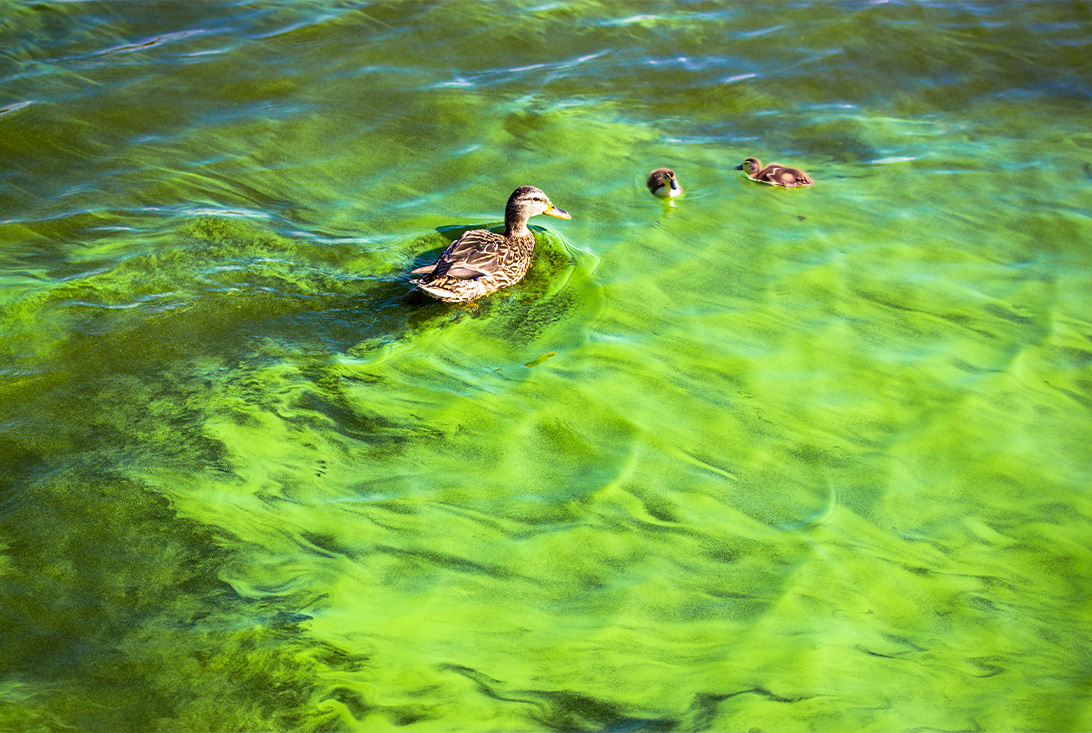
Identified by the US EPA as “one of the most widespread and challenging environmental problems faced by our nation,” nutrient pollution has rapidly become a serious issue across the US and around the globe. And wastewater treatment plants have been identified as a critical solution for implementing technologies aimed at addressing nutrient pollution.
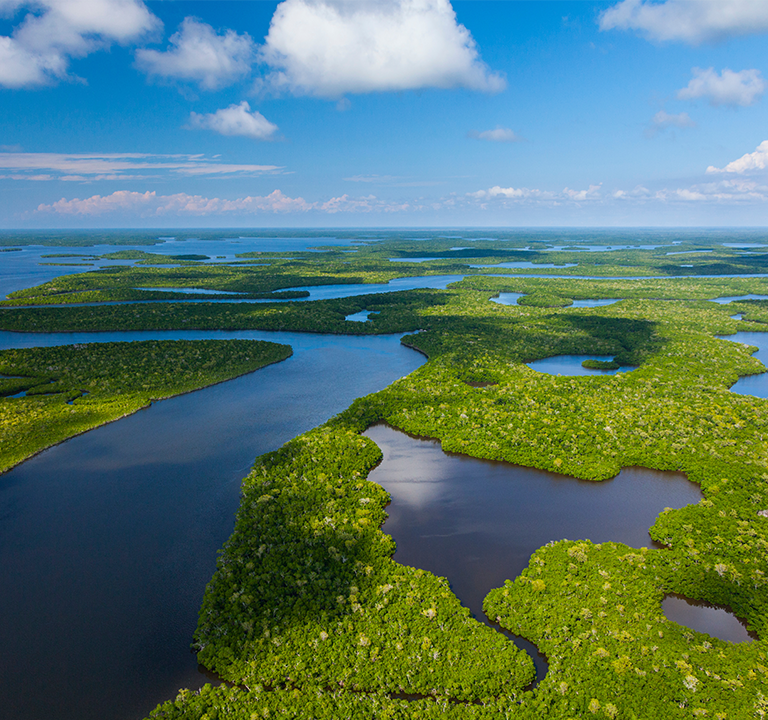
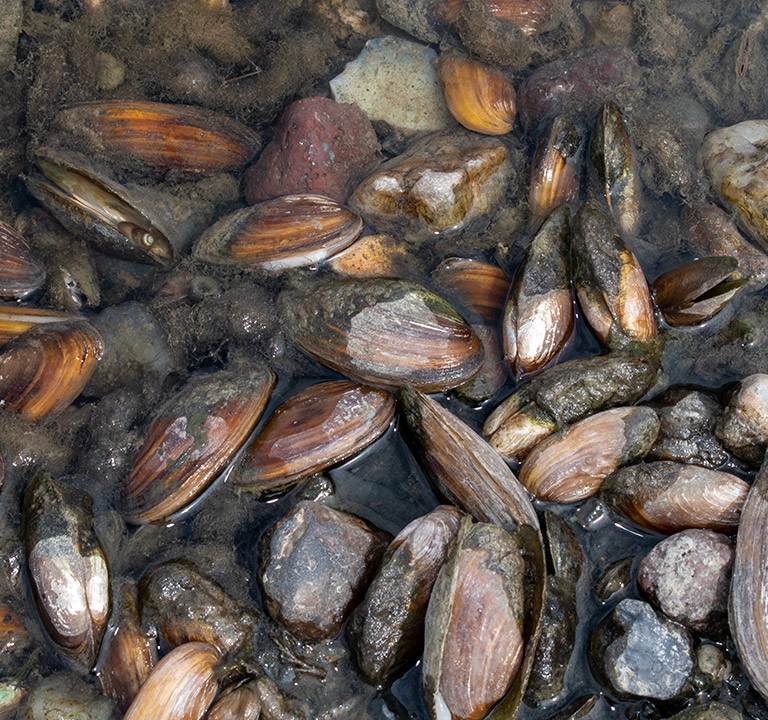
Naturally occurring nutrients (primarily nitrogen and phosphorus) at normal, balanced levels in streams, rivers and other bodies of water are healthy, as they support the growth of algae and aquatic plants. These plants in turn provide food and habitat for fish, shellfish, and smaller organisms that live in water. Too much nitrogen and phosphorus, however, creates what is referred to as nutrient pollution.
Why is nutrient pollution a problem?
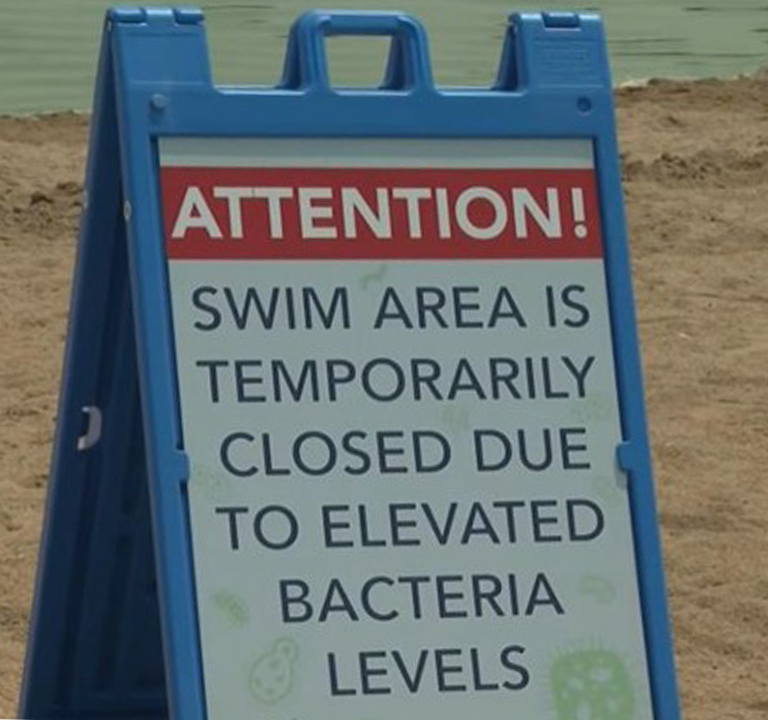
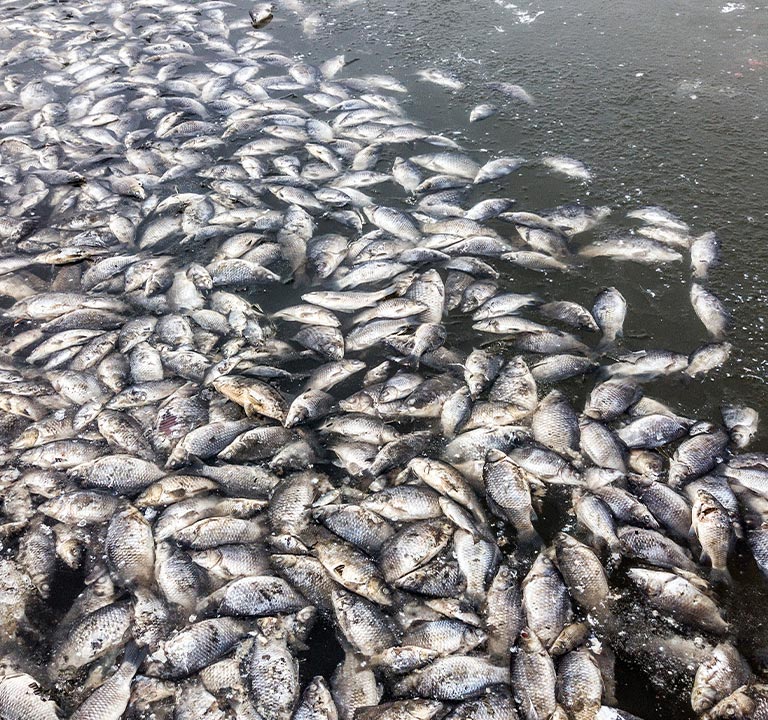
Nutrient pollution, created by excessive levels of nitrogen and phosphorus in bodies of water (typically originating from fertilizer or waste runoff from factory farming, and industrial and municipal wastewater treatment plants), can deteriorate water quality as algae can grow rapidly, reducing or even eliminating the oxygen supply and reducing the exposure to sunlight. This leads to habitat damage, loss of aquatic life, drinking water contaminated with toxins and bacteria, and ultimately negative impacts on human health.