About Nutrient Pollution
Rural communities and nutrient pollution
Large commercial factory farms and industrial facilities can adversely impact small towns



Subsequent to the COVID-19 pandemic, in 2020, populations have gravitated towards rural communities for peace, quiet, and open space. To not only live and work remotely, but to escape to a place that leaves the hustle and bustle of city life behind; a place where life is expected to slow down and soften the edges.
Rural communities are often blue collar and poorer than their urban counterparts, due to a lack of larger businesses that might help augment the tax rolls. It is precisely because of this open space, cheap land, cheap power, and fewer residents that industrial facilities like factory farms have made their home in rural areas. Contributing tax dollars to local coffers and providing jobs to local residents, it’s typically a win-win for the business and for the community.
Too much of a good thing
Ages ago, on a smaller scale, when a local farmer might have 50 chickens for eggs, or 30 head of cattle to support his family and the local community, the impact on the watershed and the neighboring environment ecosystems were contained. But when an international agricultural conglomerate builds a 50,000 square foot facility and raises tens of thousands of chickens, or is processing hundreds of hogs a day, it’s much more difficult to contain waste and prevent the possible negative impact on local communities. And the negative impact is in the form of nutrient pollution, coming from runoff from industrial waste, which requires a specialized solution that reduces the impact (see below).
Nutrient pollution?
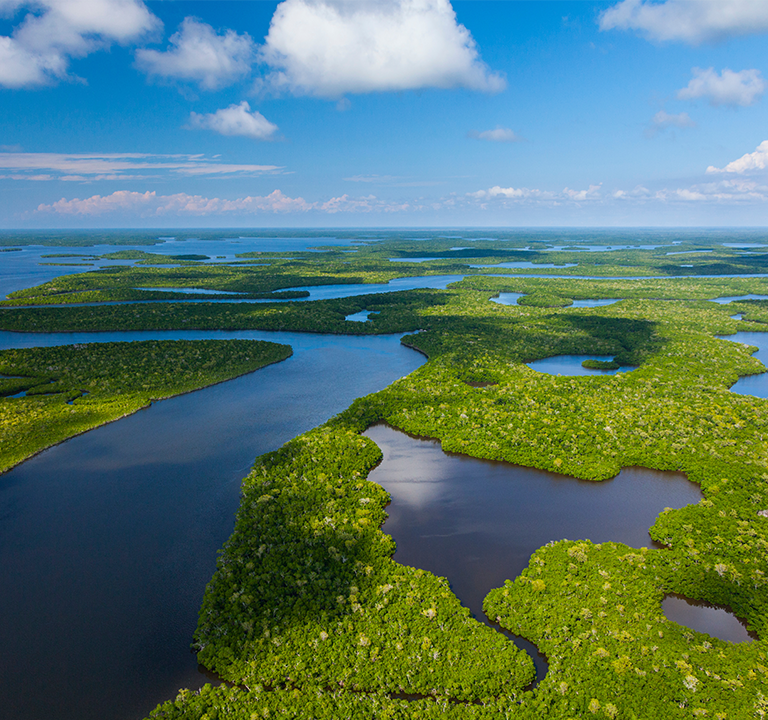
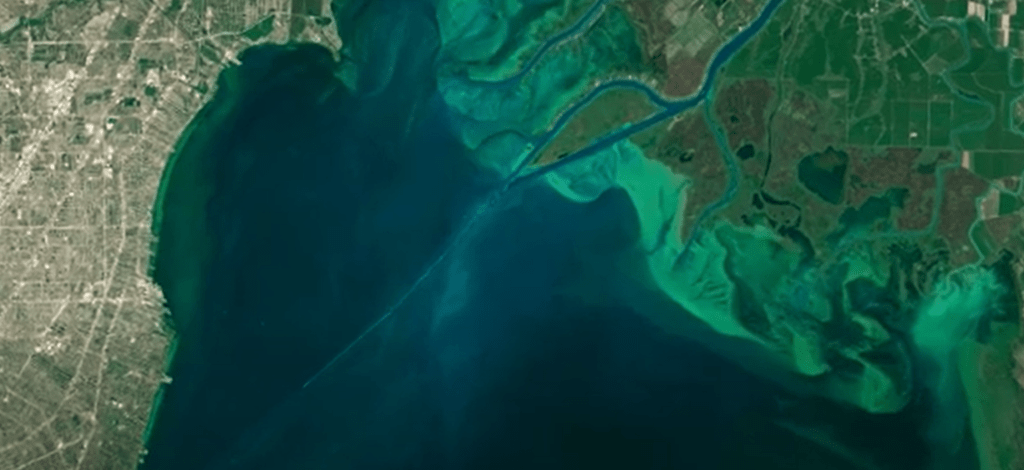
Naturally-occurring nutrients (primarily phosphorus and nitrogen) at normal, balanced levels in oceans, lakes, and rivers are healthy, as they support the growth of algae and aquatic plants. These plants in turn provide food and habitat for fish, shellfish, and smaller organisms that live in the water. Too much nitrogen and phosphorus create what is referred to as nutrient pollution.
Why is nutrient pollution a problem?
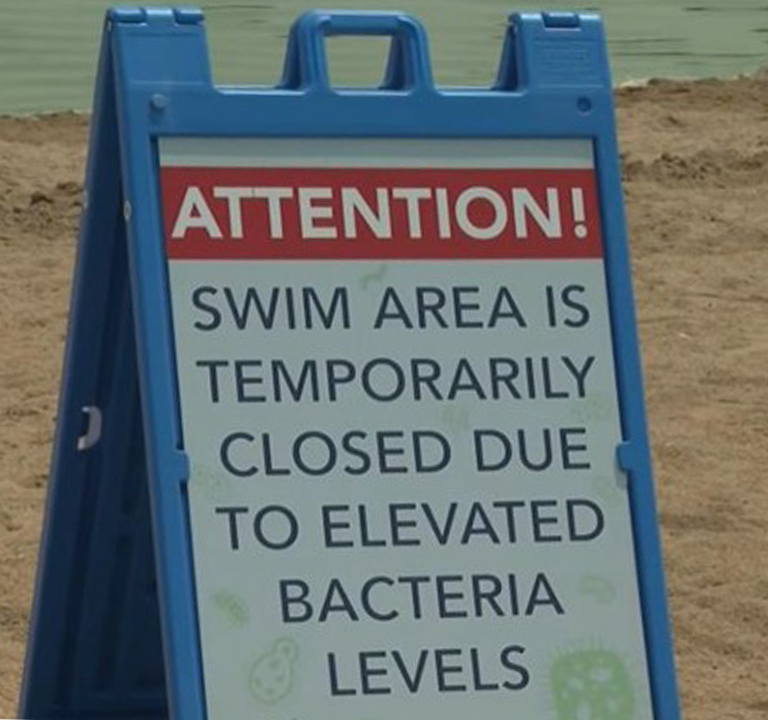
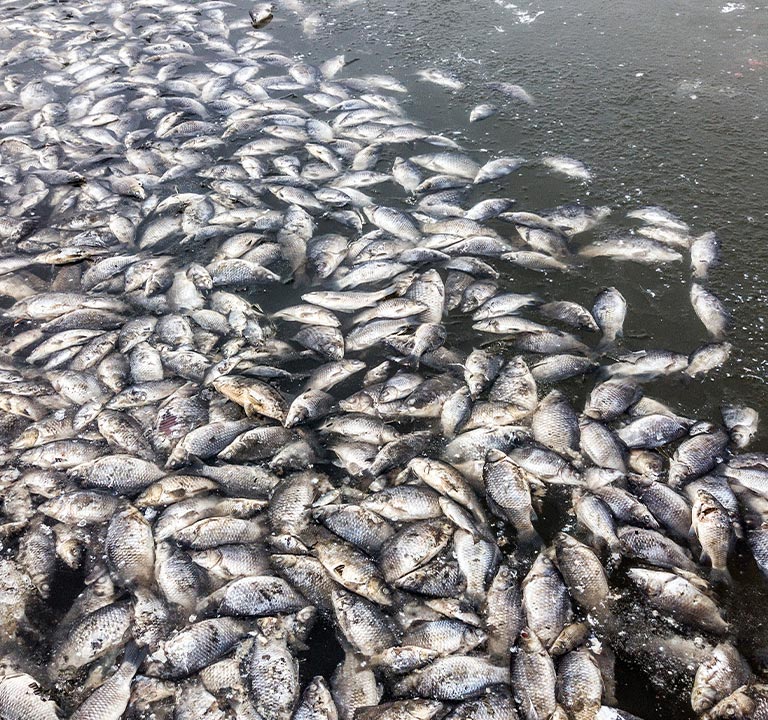
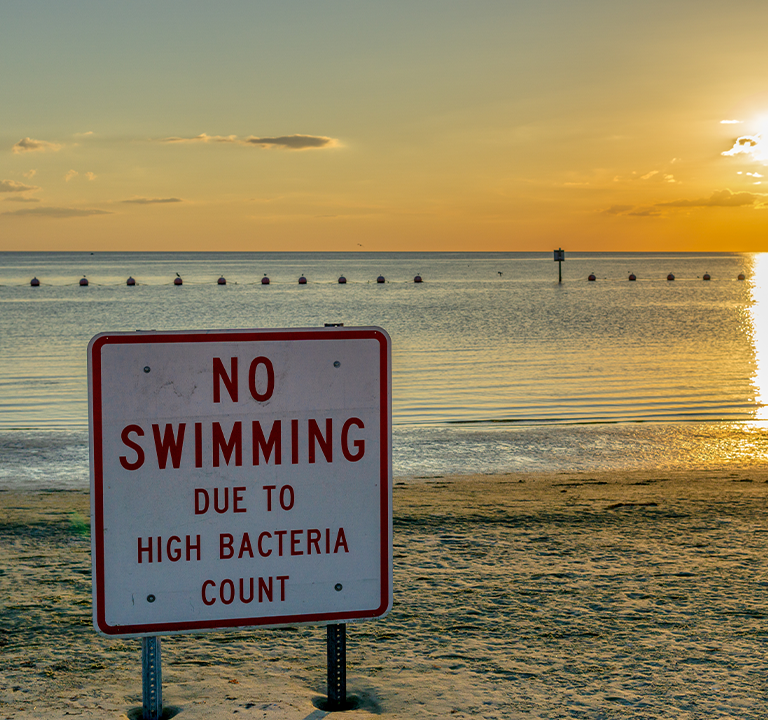
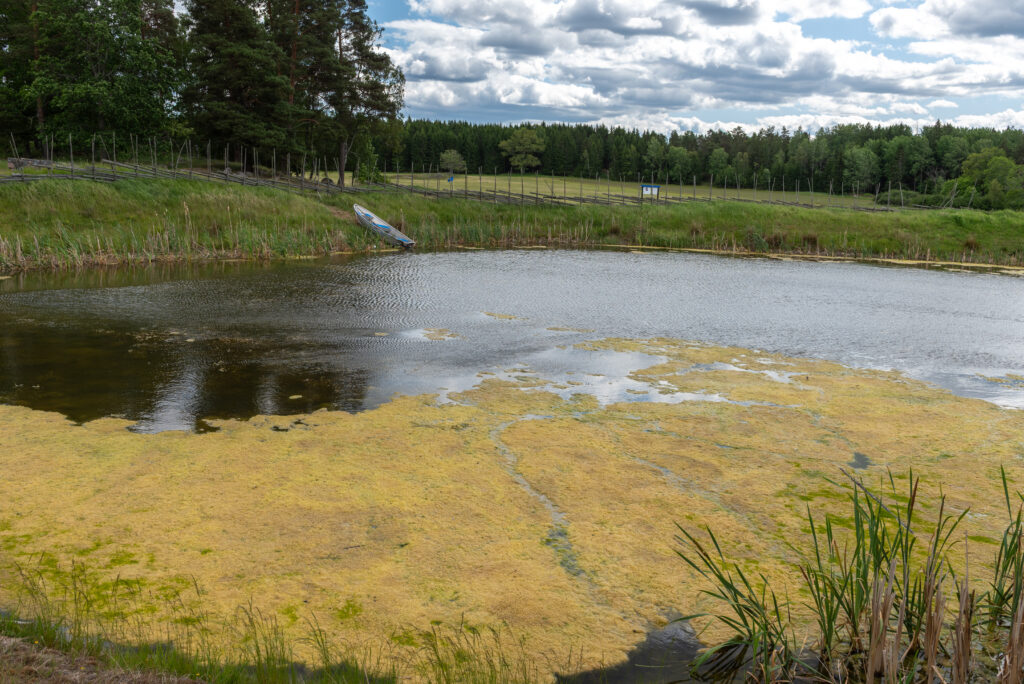
Nutrient pollution, created by excessive levels of nitrogen and phosphorus in bodies of water, typically originates from fertilizer or waste runoff from factory farming, and industrial and municipal wastewater treatment plants. These increased levels of nutrients can deteriorate water quality, as algae can grow rapidly, reducing or even eliminating the oxygen supply (causing dead zones) and reducing the exposure to sunlight. Nutrient pollution has been exacerbated by climate change, with increased water temperatures (more conducive to algae growth) and bigger storms (heavier rainfall leading to increased erosion leading to a greater influx of nutrients from the runoff). Nutrient pollution leads to habitat damage, loss of aquatic life, drinking water contaminated with toxins and bacteria, and ultimately negative impacts on human health.
What can be done about it?
The story isn’t all doom and gloom, as nutrient pollution is preventable by reducing phosphorus and nitrogen levels at the source. For commercial and industrial applications, Axius Water provides tools to minimize nutrient pollution, with biological nutrient removal (BNR) from Nexom or lagoon systems from their Triplepoint brand, or supplemental carbon solutions from their EOSi brand. And with continued diligence from municipalities, industries, and consumers alike, the tide can be turned. But harmful algae blooms (HABs) will continue to wreak havoc on the ecosystems in our bodies of water, from our biggest oceans to our smallest rivers and streams, unless we take a serious look at the root cause of HABs and begin to make changes – as if our world depends on it.